Setting the Mood: How to Use Outdoor Lighting for Entertaining Spaces
Plan patio and garden lighting for evenings with guests: walk the space after dark, layer light, pick warm tones, use simple controls and keep wiring safe.
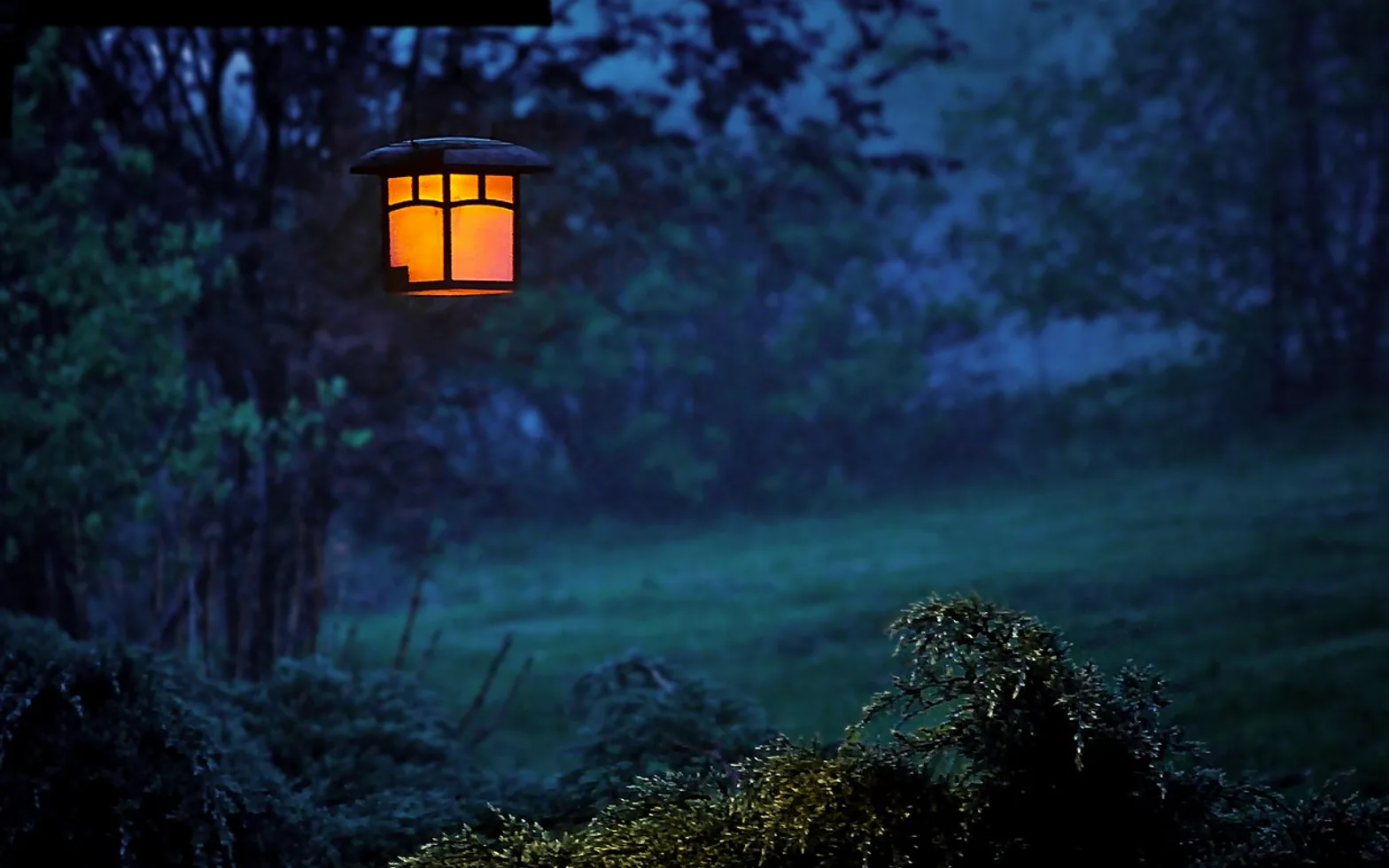
The best outdoor gatherings rarely start with a lighting plan, yet guests notice the result within minutes. A patio that glows softly invites people to linger, while one lit by a single harsh floodlight sends everyone back indoors. The difference usually comes down to a handful of thoughtful decisions rather than a big budget.
What follows is the approach we would take for a deck, terrace or backyard used for dinners, birthdays and late conversations.
Walk the space at night before buying anything
Go outside after sunset with a flashlight and a notepad. Follow the route a guest would take from the gate or back door to the seating area. Note where steps, edges and level changes become hard to see, where people will gather, and which features you would like to show off, such as a tree, a stone wall or a pergola.
Also notice what you do not want lit. Compost bins, a neighbor's window and the side of the shed can all disappear into darkness, which is often the most flattering choice.
Think in three jobs, not one fixture
Good outdoor lighting splits the work across several low, gentle sources instead of relying on one bright lamp. Each source has a job.
Getting around safely
Steps, paths and changes in height come first. Small, shielded fixtures set low along a walkway or recessed into stair risers let people see their footing without shining into their eyes. Even spacing feels calmer than a bright spot followed by a dark gap.
Light for doing things
A grill, an outdoor bar or a serving table needs focused light so the host can see what they are cutting or pouring. A dedicated fixture aimed at the work surface keeps that brightness contained, so it does not wash over the seating area.
Mood and depth
This is where the evening gets its character. Grazing light up a textured wall, uplighting the trunk of a tree or placing a glow behind tall grasses creates layers that make a small yard feel larger. Keep these sources dim; atmosphere comes from contrast, not volume.
Warmth, dimming and the color of light
Bulb color shapes how people and food look. Warm white tones flatter skin and make a table feel relaxed, while cooler white can read as clinical outdoors. Choose one color temperature for the whole space so the scene feels consistent.
Dimmers matter just as much. The light that helps guests arrive at dusk is far too bright by ten o'clock. Being able to lower levels as the night goes on lets the stars and candles take over.
Festoon strings, lanterns and portable pieces
String lights are popular for good reason, but they work best with a plan. Run them in a deliberate pattern, such as parallel lines over a dining table or a single swag along a fence, and anchor them to sturdy points rather than gutters or flimsy branches. A tight, tidy line looks intentional.
Lanterns and rechargeable table lamps add flexibility. Place a few on tables, steps or the edge of a planter, then move them as the party shifts. They are also handy for renters who cannot install anything permanent.
Bringing the garden into the picture
Planting and hardscape can become the backdrop for the whole evening. Choosing a handful of features and lighting them well beats scattering fixtures across every bed. For homeowners who want something permanent, a well-designed landscape lighting setup can tie paths, trees and walls together into one calm composition that looks good from both the patio and the windows inside.
Whatever you choose, hide the source where possible. Light should seem to come from the garden itself, not from a visible bulb staring back at the guests.
Controls that keep the host relaxed
Nobody wants to run around flipping switches while guests arrive. Simple controls make a big difference:
- Timers or dusk sensors switch path lighting on automatically.
- Grouped zones let you control seating, paths and features separately.
- Saved scenes on a smart hub or app recall a dinner setting or a late-night setting with one tap.
Keep at least one physical switch for each zone too. Phones run out of battery, and guests should not need an app to turn on the light by the steps.
Safety and weather come first
Outdoor lighting lives in rain, frost, sun and sometimes sprinklers, so buy fixtures and extension cords that are clearly rated for outdoor use and suitable for wet locations where needed. Plug into outlets with ground fault protection, keep connections off the ground and route cables where nobody will trip over them.
Any hardwired work, new circuits or permanent outlets should be done by a qualified electrician who knows your local code. Low-voltage kits are friendlier for DIY projects, but follow the manufacturer's instructions carefully and check transformers and connectors each season.
Consider neighbors and wildlife as well. Aim fixtures downward, use shields to prevent glare, and switch off decorative lighting when the party ends.
A last look on party night
An hour before guests arrive, sit in each chair and look around. Is anyone staring into a bulb? Is the path to the bathroom clear? Does the table have enough light to see the food? Small adjustments, such as turning a lantern or lowering a dimmer one notch, often finish the scene.
When the lighting is right, nobody comments on it. They simply stay a little longer, which is the whole point.
Fresh in every section
Got a topic idea?
A short note is enough.